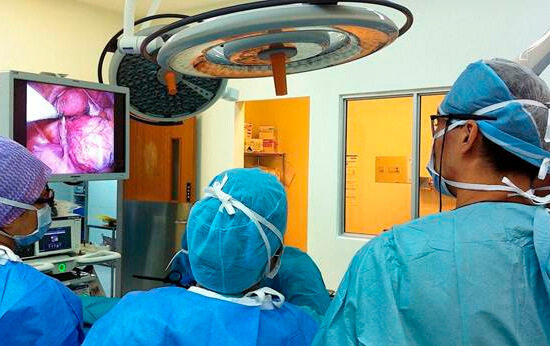
Ovarian cysts are fluid-filled sacs that develop within or on the surface of the ovaries. They are very common and, in many cases, form naturally during the menstrual cycle in women of reproductive age. Most cysts are harmless and resolve on their own without causing noticeable symptoms.
That said, not all cysts are entirely symptom-free. When symptoms such as pelvic discomfort, bloating or changes in your menstrual cycle arise, they can be unsettling and should not be ignored. Seeking medical advice allows an OBGYN to evaluate your symptoms, confirm whether a cyst is present and advise you on appropriate next steps.
In this article, we share more about how ovarian cysts are identified. Read on to learn what to expect so you can stay informed about your gynaecological health.
What Are the Common Symptoms of Ovarian Cysts?
Ovarian cyst symptoms can overlap with those of other gynaecological conditions. For this reason, a proper medical assessment is important to confirm the diagnosis and determine an appropriate treatment plan.
Common symptoms include:
Pelvic Pain or Discomfort
Pelvic pain is one of the most common symptoms. You may feel a dull ache or a sharper pain on one side of the lower abdomen. This discomfort can come and go and may change in intensity at different points in your menstrual cycle.
Menstrual Irregularities
Ovarian cysts can sometimes affect hormone levels, leading to changes in menstrual patterns. These may include heavier or lighter periods, unexpected spotting or delayed cycles.
Bloating or Abdominal Swelling
A feeling of fullness, pressure or bloating in the abdomen may occur, particularly if a cyst becomes large enough to press on surrounding organs.
Incidental Findings During Routine Examinations
In some cases, ovarian cysts cause no symptoms and are discovered incidentally during routine pelvic examinations or imaging tests performed for other reasons.
Types of Ovarian Cysts
Ovarian cysts can be broadly classified into two types: functional and pathological. Knowing their nature helps you understand if a cyst is likely to resolve naturally or require closer monitoring or treatment.
Functional Cysts
Functional cysts develop as part of the normal menstrual cycle, forming when the ovary prepares to release an egg or has just completed ovulation. The two most common types are follicular cysts and corpus luteum cysts.
A follicular cyst forms when a follicle does not release an egg and continues to enlarge. A corpus luteum cyst develops after ovulation if the follicle seals and fills with fluid instead of breaking down.
These cysts are usually harmless, cause minimal symptoms and often disappear within a few weeks without intervention. If they persist or cause discomfort, your doctor may suggest follow-up ultrasounds to monitor changes.
Pathological Cysts
Pathological cysts form due to abnormal cell growth rather than the menstrual cycle. Examples include dermoid cysts, which may contain tissue such as hair or fat; endometriomas, which develop from endometriosis tissue; and cystadenomas, which arise from the ovarian surface.
While most are benign, these cysts may grow larger or cause discomfort. A gynaecologist can advise whether observation, medication, or surgical removal is appropriate based on your individual situation.
Diagnostic Methods for Ovarian Cysts
Diagnosing ovarian cysts usually follows a structured, step-by-step process. The aim is not only to confirm whether a cyst is present, but also to understand its size, type and behaviour, while excluding other gynaecological conditions with similar symptoms.
Pelvic Examination
A pelvic examination is usually the first step during an initial consultation. During this assessment, the doctor gently checks for swelling, tenderness or irregularities around the ovaries. Although a pelvic examination alone cannot confirm the presence of a cyst, it helps determine whether further investigations are needed.
Ultrasound (Transvaginal and Abdominal)
Ultrasound imaging is the primary diagnostic tool for ovarian cysts and typically follows a pelvic examination. A transvaginal ultrasound is usually performed first, as it offers clearer and more detailed images of the ovaries. This allows the doctor to evaluate the cyst’s size and identify whether it is fluid-filled, solid or has mixed features. In some cases, an abdominal ultrasound may also be used to provide additional perspective.
MRI and CT Scans
If ultrasound findings suggest a more complex cyst, further imaging such as an MRI or CT scan may be recommended. These scans are painless and provide highly detailed images, helping assess the cyst’s structure and its relationship with surrounding organs.
Blood Tests
Blood tests, including the CA125 test, are not routinely required for all ovarian cysts. However, they may be considered if a cyst appears persistent or irregular, particularly in women approaching menopause. Rather than diagnosing a cyst directly, these tests help rule out other conditions and guide further evaluation.
Differential Diagnosis
In the final stage, your doctor reviews all clinical findings, imaging results and test outcomes to reach a diagnosis. This step is especially important when symptoms overlap with conditions such as endometriosis or pelvic infections. Once a clear picture is established, your doctor can discuss suitable monitoring or treatment options with you.
When Should I See a Specialist?
While many ovarian cysts are harmless and resolve without intervention, certain symptoms warrant closer attention. You should consider seeing a specialist if you experience ongoing pelvic pain, persistent bloating or unexplained changes to your menstrual cycle.
In some situations, symptoms may develop suddenly and require immediate medical attention. require urgent medical care. Seek immediate attention if you experience:
- Severe or worsening abdominal pain
- Fever
- Vomiting
- Dizziness or faintness
Do not wait to see if these symptoms improve on their own. When cyst-related discomfort occurs alongside these warning signs, it may indicate complications such as a ruptured ovarian cyst or ovarian torsion, both of which require prompt assessment and treatment.
Getting the Right Support for Ovarian Cyst Concerns
If you have concerns about ovarian cysts or are experiencing symptoms that affect your comfort or peace of mind, seeking professional advice is an important step forward. Early assessment allows for accurate diagnosis, appropriate monitoring and timely treatment when needed.
Our team of health specialists are here to guide you through every stage, from evaluation to ongoing care. Contact us today to arrange a consultation and take the next step towards clarity, reassurance and better gynaecological health.
FAQs
Is a transvaginal ultrasound painful?
A transvaginal ultrasound is generally not painful. You may feel mild pressure or brief discomfort during the examination, but most women are able to tolerate the procedure well.
When might my doctor order a CA-125 blood test?
A CA-125 blood test may be requested if a cyst appears persistent, irregular or complex on imaging, particularly in certain age groups. The test helps assess the need for further evaluation rather than serving as a definitive diagnostic tool.
Can ovarian cysts be diagnosed without surgery?
Yes. Most ovarian cysts are diagnosed using ultrasound and, if needed, additional imaging. Surgery is typically considered only if a cyst causes significant symptoms, does not resolve or shows concerning features.
Should I be worried if I am diagnosed with an ovarian cyst?
In most cases, there is no cause for alarm. The majority of ovarian cysts are benign and resolve naturally. Your doctor will advise on monitoring or treatment based on the cyst’s characteristics and your symptoms.
How fast do ovarian cysts grow?
Growth rates vary. Some cysts develop and resolve within a few menstrual cycles, while others may persist and require follow-up to monitor changes over time.