Ovarian cysts are fluid-filled sacs that develop on or within the surface of an ovary, and many form naturally as part of the menstrual cycle. In most cases, these functional cysts are harmless and resolve on their own without causing symptoms. However, not all ovarian cysts follow this pattern. Some may grow larger, cause ongoing discomfort or appear complex on imaging, prompting further evaluation.
If you’ve been experiencing pelvic discomfort or bloating and have been told surgery may be needed, you may be wondering what your options are. Here, we’ll look at the differences between laparoscopic and open surgery for ovarian cysts, what to expect from each option and the factors that influence surgical decision-making. Read on to learn more and feel better informed about your care.
Laparoscopic Ovarian Cyst Surgery
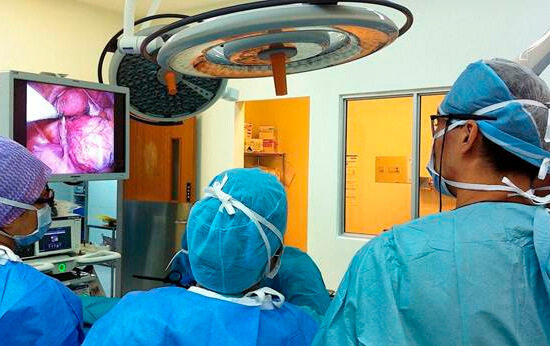
Laparoscopic ovarian cyst surgery, also known as keyhole surgery, is a minimally invasive approach that involves making several small incisions in the abdomen. The procedure typically begins with a small incision at the belly button, through which a laparoscope—a thin tube with a camera and light—is inserted. This allows your surgeon to view the pelvic organs on a high-resolution monitor.
Carbon dioxide gas is gently introduced to inflate the abdomen, creating space for the surgical instruments to move safely. Additional small incisions are then made to insert specialised tools, which are used to carefully separate the cyst from the surrounding ovarian tissue.
Whenever possible, the cyst is removed using a protective retrieval bag, usually through the belly button incision, to minimise spillage and reduce the risk of irritation or complications. This approach aims to preserve as much healthy ovarian tissue as possible, particularly in women who wish to maintain fertility.
Open Ovarian Cyst Surgery (Laparotomy)
Open surgery, also known as laparotomy, is a more invasive method of removing ovarian cysts. It involves a single, larger incision in the lower abdomen, providing direct access to the pelvic organs. This approach provides your surgeon with better visibility and control of more complex situations, particularly when dealing with larger cysts or suspicion of cancer. The procedure is performed under general anaesthesia and typically takes longer than laparoscopic surgery. After the cyst, and if necessary, affected ovarian tissue, is removed, the incision is closed in layers.
Comparison: Laparoscopic vs Open Surgery
While both approaches are effective, they differ in terms of recovery, physical impact and suitability. Understanding these differences can help you feel more prepared for surgery and recovery.
Incision Size
Laparoscopic surgery uses several small incisions, typically measuring 0.5 to 1 cm each. In contrast, open surgery requires a single larger incision, often around 10 to 15 cm or more across the abdomen.
Recovery Time
Recovery after laparoscopic surgery is generally quicker, with many patients returning to normal activities within one to two weeks. Open surgery involves a longer healing period, often requiring four to six weeks or more, along with restrictions on lifting and strenuous activity.
Postoperative Pain
Smaller incisions and reduced muscle disruption mean laparoscopic surgery is usually associated with less post-operative discomfort. Open surgery tends to result in more pain due to the larger incision and deeper tissue involvement.
Hospital Stay
Laparoscopic procedures often allow for same-day discharge or an overnight hospital stay. In contrast, open surgery typically requires a longer hospital stay, often between two and four days, depending on recovery progress.
Scar Visibility
Laparoscopy leaves small, less noticeable scars, whereas open surgery results in a larger and more visible abdominal scar.
Suitability
Laparoscopic surgery is commonly used for simple cases involving smaller, benign-appearing cysts, often less than 10 cm. Open surgery is generally reserved for complex cases, very large masses or situations where cancer cannot be excluded.
Benefits and Risks
Each surgical approach has its own benefits and potential risks. Discussing these with your surgeon allows you to make an informed decision based on your individual circumstances.
Laparoscopic Surgery
- Benefits: The minimally invasive nature of laparoscopic surgery results in less tissue trauma, reduced risk of infection and lower risk of developing adhesions. Many patients experience less pain and a quicker return to work and daily activities.
- Risks: Potential risks include injury to surrounding organs, bleeding, infection or the need to convert to open surgery if complications arise. Temporary shoulder or chest discomfort due to the gas used during the procedure may also occur.
Open Surgery
- Benefits: Open surgery offers comprehensive visualisation of all pelvic structures, allowing for thorough examination and treatment of complex conditions. This approach provides greater surgical control, particularly useful for large or complicated cysts, and eliminates the risk of gas-related complications associated with laparoscopic procedures.
- Risks: These include post-operative pain, longer recovery time, higher infection risk, more noticeable scarring and greater blood loss. There is also a higher likelihood of adhesion formation and, in rare cases, incisional hernia.
Factors Influencing Surgical Choice
Several considerations guide the decision between laparoscopic and open surgery. These factors help ensure the chosen approach is safe, effective and tailored to your needs.
-
Cyst Characteristics
: Features such as whether the cyst is present on one or both ovaries, its appearance on imaging and any associated tumour marker results can influence the choice of surgical approach and the need for further precautions.
-
Patient Factors
: Your age, overall health, body mass index (BMI), fertility plans and history of previous abdominal surgery can influence both feasibility and safety.
-
Surgeon Expertise and Facility Resources
: The surgeon’s experience with minimally invasive techniques and the availability of specialised equipment may also affect whether laparoscopy is suitable.
-
Emergency vs Planned Surgery
: Emergency situations, such as ovarian torsion or suspected cyst rupture, may require immediate open surgery. Planned procedures allow more flexibility to select the most appropriate method.
Making an Informed Decision About Your Care
While both laparoscopic and open surgery are effective in managing ovarian cysts, they differ in their level of invasiveness, recovery expectations and suitability depending on the situation. Taking the time to discuss your options, clarify any concerns and understand the potential outcomes will help you move forward with a decision that feels right for both your health and peace of mind.
If you are dealing with an ovarian cyst and wish to explore your treatment options, Dr Anthony Siow provides a comprehensive consultation to help guide you toward the best course of action for your health. Contact us today to schedule an appointment or enquire about our ovarian cyst treatments.
Frequently Asked Questions
Will ovarian cyst surgery affect my fertility?
Both open and laparoscopic approaches remove only the cyst while preserving ovarian function. However, the extent of impact depends on factors such as the amount of ovarian tissue removed, your age and baseline ovarian function. It is always best to discuss your fertility concerns with your surgeon before the procedure.
Is laparoscopic surgery more expensive than open surgery?
The upfront cost of laparoscopic surgery may appear higher due to the specialised equipment involved. However, when you factor in the shorter hospital stay, reduced need for pain medication and quicker return to work, it can often be more cost-effective overall.
Will the ovarian cyst return after it is removed?
While surgery removes the existing cyst, there is a small chance that a new cyst could form on the same or opposite ovary in the future. Your doctor will discuss your risk of recurrence based on the type of cyst you have.
How do I prepare for laparoscopic or open surgery?
Preparation usually involves pre-operative tests, adjustments to medications and fasting requirements. Your doctor will give you detailed instructions regarding diet, medication and activity restrictions before your procedure. Following these guidelines carefully helps ensure a smoother surgery and recovery.
How does each surgery affect my long-term health?
For most women, removing a problematic ovarian cyst can significantly improve quality of life by relieving uncomfortable symptoms. Both laparoscopic and open surgery are generally safe, but recovery timelines differ. After laparoscopy, most patients can return to normal activities within a few weeks, whereas recovery from open surgery takes longer. Despite the slower healing process, outcomes are generally positive once healing is complete.