Being told you need ovarian cyst surgery can bring a mix of concern and unanswered questions. While you may feel relieved to finally address ongoing pain or symptoms, it’s natural to wonder how long recovery will take, what your body will feel like afterwards, and when everyday life will return to normal. Having a clearer idea of what lies ahead can help you feel more prepared and reassured as you heal. Here, we look at the recovery process after ovarian cyst surgery, from the first few days to the weeks that follow, and how you can support your body every step of the way. Read on to find out more.
Understanding Your Surgery Type
Recovery after ovarian cyst surgery depends largely on the surgical approach used. As each method involves different incision sizes and healing demands, your post-operative experience and recovery timeline may vary.
Laparoscopic Surgery (Keyhole Surgery)
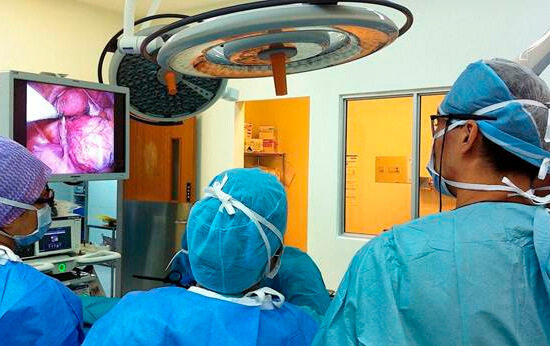
Laparoscopic surgery is a minimally invasive technique that uses small abdominal incisions. A thin camera, known as a laparoscope, allows the surgeon to locate and remove the cyst with precision. Because the incisions are small, discomfort is usually milder and healing tends to be quicker. Many patients can resume light activities within one to two weeks, with full recovery typically taking up to four weeks.
Laparotomy (Open Surgery)
Laparotomy involves a larger incision in the lower abdomen and is usually recommended for larger cysts, complex cases, or when malignancy needs to be ruled out. Due to the more extensive incision, recovery takes longer. A hospital stay of several days is common, and most patients require four to six weeks before returning to normal daily activities.
The Immediate Recovery Period (First 24 to 48 Hours)
After surgery, you will be monitored closely as the effects of anaesthesia wear off. It’s common to feel drowsy, mildly nauseous, or sore around the abdomen. Pain relief and anti-nausea medication will also be provided to keep you comfortable, and you may have a urinary catheter or surgical drain depending on the procedure performed.
During the first 24 to 48 hours, nurses will encourage gentle movement, such as sitting up and walking short distances. This helps prevent complications such as blood clots and supports circulation. Eating and drinking may start gradually, beginning with clear fluids and progressing to light meals as your digestive system adjusts.
Managing Your Recovery at Home
Once you’re discharged, the focus shifts to healing at your own pace. Rest is essential, but light activity also plays an important role in recovery. Avoid heavy lifting, strenuous exercise, and sexual intercourse until your doctor confirms it is safe to resume them.
Incision and Wound Care
Keeping your incision clean and dry is key to preventing infection. Follow your doctor’s instructions on dressing changes, and avoid applying creams or powders unless advised. Watch for signs such as increasing redness, swelling, warmth, or discharge, and seek medical advice if these occur.
Pain Management and Medications
Some discomfort is expected in the early days following surgery. Take prescribed pain relief as directed, and consult your doctor before using over-the-counter medication. Aspirin should be avoided unless specifically recommended, as it can increase the risk of bleeding.
Diet and Digestion
Support recovery with a balanced diet that includes fibre-rich foods and plenty of fluids to prevent constipation, which is common after surgery. Nutrient-dense meals with lean proteins, fruits and vegetables can help support tissue healing and energy levels.
Activity and Lifting Restrictions
Gentle activities, such as short walks, can improve circulation and reduce bloating. Avoid heavy lifting and strenuous movements, and listen to your body’s signals. Rest when needed and gradually increase activity over the following weeks as your strength returns.
Anticipated Changes and Side Effects
As your body heals, it is common to experience mild and temporary side effects. Knowing what to expect can help reduce anxiety and allow you to recognise which symptoms are part of normal recovery and which may require medical review.
Abdominal Pain or Bloating
Mild to moderate abdominal pain and bloating are common, particularly in the first few days. These symptoms usually improve as swelling reduces and digestion normalises.
Shoulder Tip Pain
After laparoscopic surgery, shoulder pain can occur due to residual gas used during the procedure. This typically settles within a few days as the gas is absorbed by the body.
Vaginal Bleeding or Discharge
Light vaginal bleeding or discharge may occur briefly after surgery as the body adjusts and heals. This is usually temporary and should gradually lessen over time. However, heavy bleeding, worsening pain, or foul-smelling discharge should be assessed promptly, as these may indicate a complication.
Fatigue
Feeling unusually tired is a common response to surgery and anaesthesia. Your body is using extra energy to heal, so it’s normal for energy levels to be lower at first. With adequate rest, balanced nutrition, and gentle activity, stamina usually improves gradually over the following weeks.
Emotional Changes
Alongside physical tiredness, some women notice temporary mood changes or emotional sensitivity during recovery. This can be related to hormonal fluctuations, physical stress, or the emotional impact of undergoing surgery. These feelings are usually short-lived and tend to ease as your body recovers and energy levels return.
Supporting Your Recovery with Specialist Care
Recovery doesn’t look the same for everyone, and personalised guidance can make a meaningful difference. If you’ve undergone ovarian cyst surgery, are preparing for the procedure, or have concerns about your recovery symptoms, speaking with a gynaecologist can provide reassurance and clarity.
Contact us today to arrange a consultation and receive tailored advice to support your recovery and long-term gynaecological health.
FAQs
How likely is it that the cyst will return?
The likelihood of recurrence depends on the type of cyst and underlying factors such as hormonal balance or conditions like endometriosis or polycystic ovarian syndrome (PCOS). Functional cysts, which form during normal ovulation, may also recur occasionally.
Can I shower or bathe after surgery?
Most patients can shower within 24 to 48 hours after surgery, but soaking in baths or swimming should be avoided until your doctor confirms that the incision has fully healed. When showering, gently pat the area dry and avoid rubbing the wound.
How often are follow-up appointments required?
Aside from day-to-day recovery, follow-up care plays an important role in ensuring everything is healing as expected. Your first appointment is usually scheduled one to two weeks after surgery to check the incision and discuss your recovery progress. Further reviews may be arranged at four to six weeks or as needed, depending on your condition.
When will my menstrual cycle return to normal?
Temporary hormonal changes or ovarian disruption during the procedure can alter cycle timing. If your period does not return within three months, or if you experience unusually heavy or painful periods, let your doctor know so this can be assessed.