Dr Anthony Siow
Consultant Obstetrician & Gynaecologist
Medical Director, ASC Clinic for Women
MMed (O&G) (Singapore), FRCOG (UK), MRANZCOG (Aust-NZ), FAMS (Singapore)
Australasian Gynae Endoscopy Society Member
American Assoc Gynae Laparoscopy Member
Many ovarian cysts are harmless and resolve without treatment. However, for some women, ovarian cysts continue to develop or return over time, leading to recurring pelvic discomfort, anxiety and repeated medical reviews. While recurrent ovarian cysts are often benign, understanding why they keep occurring is important, as the underlying cause can influence both treatment and the likelihood of future recurrence.
Management for recurrent ovarian cysts is not the same for every patient. It depends on the type of cyst, the underlying condition and your symptoms. Options may include monitoring, hormonal medication to reduce the risk of new cysts developing or surgery when further treatment is required.
Why Do Some Ovarian Cysts Keep Coming Back?
Finding out that you have another ovarian cyst after a previous one has resolved can be worrying. However, recurrent ovarian cysts are relatively common, particularly in women who are still having regular menstrual cycles. In many cases, a new cyst has formed rather than the previous one returning. Understanding why ovarian cysts can keep developing helps explain when they are simply part of the normal menstrual cycle and when further assessment or treatment may be needed.
-
Ovulation Happens Every Month
Many recurrent ovarian cysts are functional cysts, which are linked to the normal menstrual cycle. A typical menstrual cycle repeats every month, which makes it possible for new cysts to develop over time. In most cases, these are new cysts rather than the same cyst coming back.
-
Hormone Changes Can Affect Ovulation
Hormones regulate ovulation throughout the menstrual cycle. When ovulation does not occur as expected, certain types of ovarian cysts are more likely to develop.
Hormonal changes may occur because of:
- Polycystic ovary syndrome (PCOS)
- Fertility treatments that stimulate ovulation
- Natural changes in hormone levels during the reproductive years
If hormone-related changes are contributing to recurrent ovarian cysts, your gynaecologist may recommend treatment to help regulate the menstrual cycle and lower the chance of new cysts developing.
-
Certain Gynaecological Conditions Increase the Risk
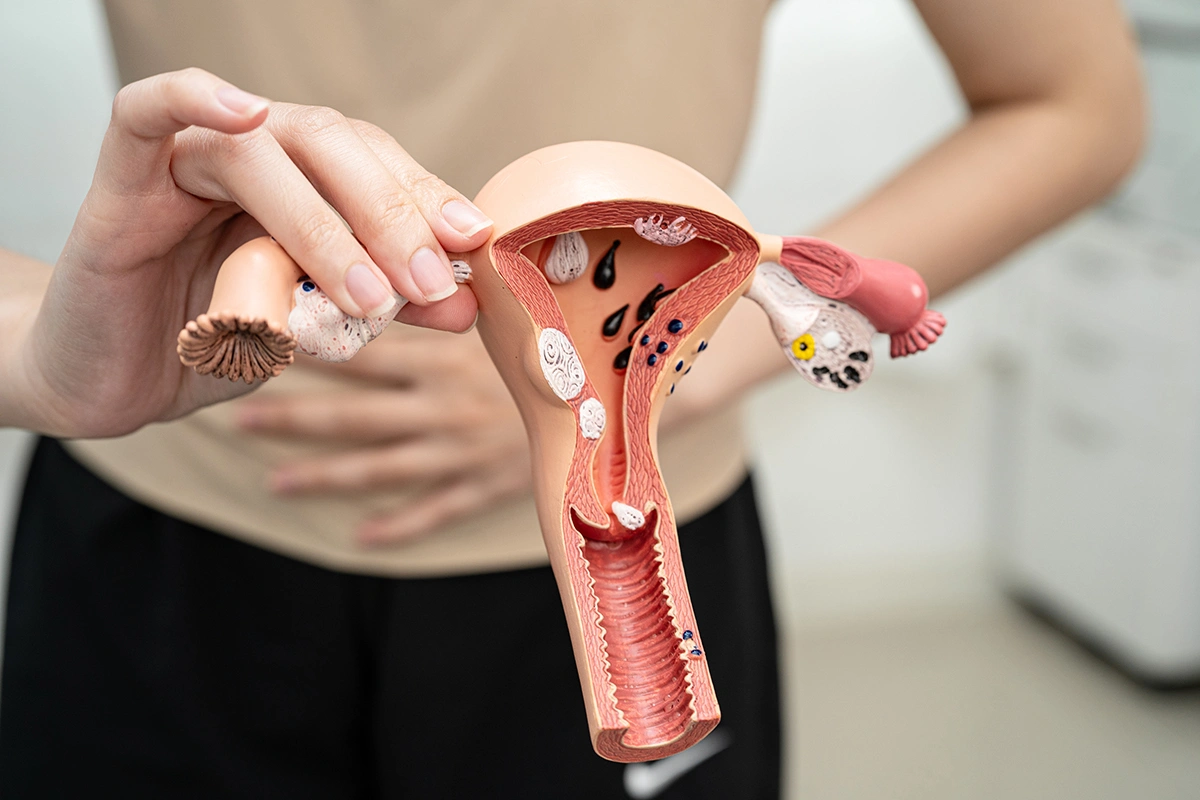
Not all ovarian cysts develop as part of the normal menstrual cycle. Some are linked to underlying gynaecological conditions that make cysts more likely to form or return. Endometriosis can lead to ovarian cysts known as endometriomas (sometimes called "chocolate cysts"), while PCOS is associated with multiple small follicles because ovulation does not occur regularly.
-
Your Individual Risk Factors Also Play a Role
Some women are simply more likely to develop ovarian cysts than others. Factors such as your age, menstrual cycle, hormone levels and whether you have had ovarian cysts before can all affect your risk.
Although many recurrent ovarian cysts resolve without treatment, ongoing symptoms, enlarging cysts or unusual ultrasound findings should be assessed by a gynaecologist to determine whether further investigation or treatment is needed.
What Are the Medical Treatment Options for Recurrent Ovarian Cysts?
Not all recurrent ovarian cysts require surgery. For many women, medications can help manage the underlying cause of cyst formation or reduce the chance of new cysts developing. The most suitable treatment depends on the type of cyst, your symptoms, whether you are still planning a pregnancy and any underlying gynaecological conditions.
-
Treatment for Polycystic Ovarian Syndrome (PCOS)
Although the ovaries in polycystic ovary syndrome (PCOS) contain many small follicles, these are different from the functional ovarian cysts seen in the normal menstrual cycle. Hormonal medication may be recommended to regulate menstrual cycles and reduce the likelihood of developing functional ovarian cysts, while other treatments address the underlying hormonal condition.
-
Treatment for Endometriomas
Ovarian cysts caused by endometriosis, known as endometriomas, are managed differently from functional ovarian cysts. Hormonal medications may be prescribed to slow the growth of the cyst, reduce pain and help prevent the condition from worsening. In some cases, it may take up to 12 months of medical treatment for the cyst to reduce in size by 1 to 2 cm. Your gynaecologist will monitor the cyst with regular follow-up appointments and ultrasound scans to assess how well it is responding to treatment.
When Are Other Treatment Options Needed for Recurrent Ovarian Cysts?
While many recurrent ovarian cysts can be managed with monitoring or hormonal medications, these approaches are not suitable for every situation. The need for further treatment depends on the type of cyst, whether it is changing over time and the symptoms it is causing.
Surgery may be recommended if an ovarian cyst:
- Persists despite medical treatment or observation
- Continues to grow or becomes large
- Causes ongoing pain or other significant symptoms
- Has features on ultrasound that require further assessment
- Is suspected to be affecting fertility or increasing the risk of complications, such as ovarian torsion
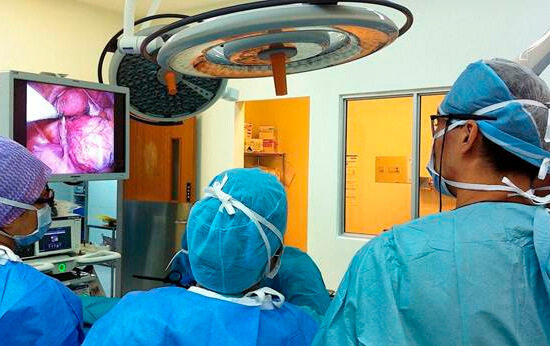
Whenever appropriate, laparoscopic (keyhole) surgery is preferred because it uses smaller incisions and is generally associated with less postoperative discomfort and a quicker recovery. The aim is usually to remove the cyst while preserving as much healthy ovarian tissue as possible, particularly for women who wish to conceive in the future.
Confidently Manage Recurrent Ovarian Cysts
Recurrent ovarian cysts are not always a cause for concern, but persistent symptoms or repeated cyst formation warrant specialist assessment. Identifying the type of cyst and why it keeps developing helps guide appropriate treatment and ongoing monitoring.
At our ovarian cyst clinic, we provide comprehensive assessment and management for women with recurrent ovarian cysts. Dr Anthony Siow evaluates the type of cyst, identifies any contributing gynaecological conditions and recommends the most appropriate management approach, whether this involves monitoring, medication or surgery.
Arrange a consultation to discuss the most appropriate management options for your condition.
Frequently Asked Questions (FAQs) About Management Options for Recurrent Ovarian Cysts
Yes. Having one type of ovarian cyst does not prevent another type from developing later. A gynaecologist uses ultrasound findings, your symptoms and medical history to determine which type of cyst is present and whether treatment is required.
The frequency of follow-up depends on the type, size and appearance of the ovarian cyst, as well as your symptoms. Some cysts only require repeat ultrasound scans after a few months, while others may need closer monitoring. Your gynaecologist will recommend a follow-up schedule based on how the cyst changes over time and whether treatment is required.
Yes. Functional ovarian cysts develop as part of the normal ovulation process, so they are more common in women who are still having regular menstrual cycles. After menopause, new ovarian cysts are less common and are more likely to require specialist assessment.
Meet Our Specialist
Dr Anthony Siow
Obstetrician Gynaecologist
MBBS, M Med (O&G), MRANZCOG, MRCOG
Member of the Australasian Gynaecological Endoscopy and Surgery Society
Member of the American Association of Gynecologic Laparoscopists
Dr Anthony Siow has more than 20 years of experience in obstetrics and gynaecology. He previously served as Director of Minimally Invasive Surgery at a public hospital in Singapore and helped develop programmes for managing complex gynaecological conditions, including fibroids, ovarian cysts and endometriosis.
He was also the first gynaecologist in Singapore to perform single-incision laparoscopy for procedures such as hysterectomy and myomectomy, providing an additional minimally invasive option for women who require fibroid surgery. Dr Siow focuses on careful evaluation and evidence-based treatment to help women manage gynaecological conditions safely and effectively.