Dr Anthony Siow
Consultant Obstetrician & Gynaecologist
Medical Director, ASC Clinic for Women
MMed (O&G) (Singapore), FRCOG (UK), MRANZCOG (Aust-NZ), FAMS (Singapore)
Australasian Gynae Endoscopy Society Member
American Assoc Gynae Laparoscopy Member
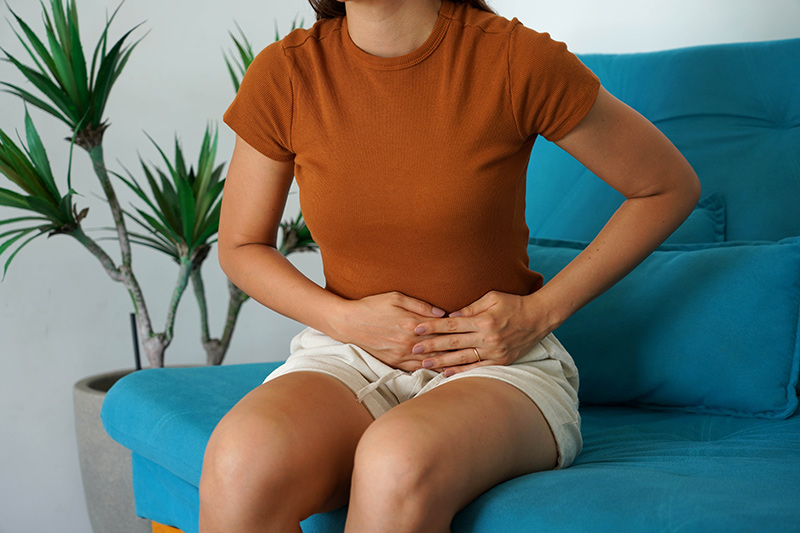
Pelvic heaviness or bloating can be easy to put down to a large meal, constipation or changes around your menstrual cycle. When that sensation keeps returning or does not settle as expected, however, it may have several possible causes, including conditions affecting the digestive or pelvic organs.
A persistent feeling of pressure deserves closer attention, particularly when it represents a change from what is normal for you. Understanding what may be contributing to these symptoms can help you recognise when it is time to seek a gynaecological assessment.
What Can Cause Persistent Pelvic Heaviness and Bloating?
Persistent pressure or fullness can come from different structures within the abdomen and pelvis. The pattern of your symptoms may provide clues, but an examination or imaging may be needed to establish the underlying cause.
-
Ovarian Cysts
Ovarian cysts are fluid-filled sacs that develop on or within an ovary. Many ovarian cysts cause no symptoms at all. Depending on its size and location, a larger cyst may cause pelvic pressure, fullness, bloating or discomfort. You may also notice intermittent pelvic discomfort or that your abdomen feels fuller than usual.
-
Uterine Fibroids
Fibroids are non-cancerous growths that develop in or around the uterus. Larger fibroids can contribute to pelvic pressure, abdominal fullness or a feeling of heaviness. Depending on their position, they may also place pressure on the bladder or bowel, leading to symptoms such as frequent urination or changes in bowel habits.
-
Digestive Causes
Constipation, trapped wind and other digestive issues can cause abdominal bloating or pressure, often fluctuating with meals or bowel movements. However, persistent or recurrent symptoms may warrant medical assessment, particularly when there is no clear explanation or when they occur alongside other symptoms.
When Bloating May Have a Gynaecological Cause
Bloating may warrant closer attention when it persists, becomes more noticeable over time or occurs alongside other symptoms. Signs that may justify a gynaecological assessment include:
- Persistent lower abdominal bloating
- Pelvic pressure or heaviness
- Pain or discomfort in the pelvis
- A noticeable increase in abdominal size
- Persistent changes in urinary or bowel habits
- Pain during sex
These symptoms can occur with ovarian cysts, fibroids and other gynaecological conditions. An assessment can help establish whether the symptoms are related to a pelvic condition rather than digestion.
How Persistent Pelvic Heaviness Is Investigated
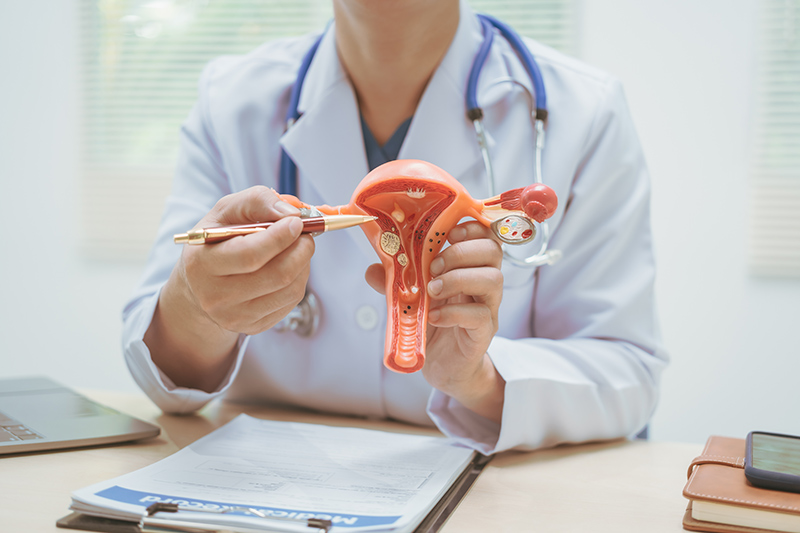
Your gynaecologist will first review your symptoms and menstrual history, with a pelvic examination performed where appropriate. As pelvic heaviness can have several possible causes, imaging may then be used to identify any underlying changes.
A pelvic ultrasound can assess the uterus and ovaries for cysts, fibroids or other structural changes. If a cyst is detected, its size, appearance and other clinical factors can help determine whether monitoring, further investigation or treatment is appropriate.
Get Persistent Pelvic Symptoms Properly Assessed
Persistent pelvic heaviness or bloating should not be judged by the severity of discomfort alone. Establishing the cause of persistent pelvic heaviness or bloating can provide a clearer basis for deciding whether monitoring or treatment is appropriate.
At our ovarian cyst clinic in Singapore, we provide comprehensive assessment and management for women with ovarian cysts. Dr Anthony Siow is a gynaecologist with over 20 years of institutional practice and provides care for women with both newly detected and recurrent ovarian cysts.
If you have persistent pelvic symptoms or concerns about an ovarian cyst, schedule a consultation to discuss your symptoms and determine whether further evaluation is appropriate.
FAQs About Pelvic Heaviness and Ovarian Cysts
Yes. An ovarian cyst can occur on either ovary, and symptoms may sometimes be felt more strongly on one side. However, one-sided pelvic pain has many possible causes and does not confirm that an ovarian cyst is present. An ultrasound may be needed to determine the source of persistent discomfort.
Many ovarian cysts associated with ovulation are temporary and resolve naturally within a few menstrual cycles. Your gynaecologist may recommend monitoring rather than immediate treatment when the cyst does not have concerning features.
Yes. Ovarian cysts affect the ovaries, while fibroids develop in the uterus, so both conditions can occur at the same time. They may also cause some overlapping symptoms, including pelvic pressure, bloating and discomfort.
Yes. Some ovarian cysts cause no noticeable symptoms and are only discovered during a routine examination or ultrasound. Others may cause pelvic fullness, pressure or bloating without significant pain. Symptoms can vary depending on the cyst's size, type and location.
Ovarian cysts can occur at different ages, but functional cysts are particularly common during the reproductive years because they are related to ovulation. An ovarian cyst detected after menopause generally warrants medical assessment to determine its nature and whether further evaluation or monitoring is needed.
Meet Our Specialist in Singapore
Dr Anthony Siow
Obstetrician Gynaecologist
MBBS, M Med (O&G), MRANZCOG, MRCOG
Member of the Australasian Gynaecological Endoscopy and Surgery Society
Member of the American Association of Gynecologic Laparoscopists
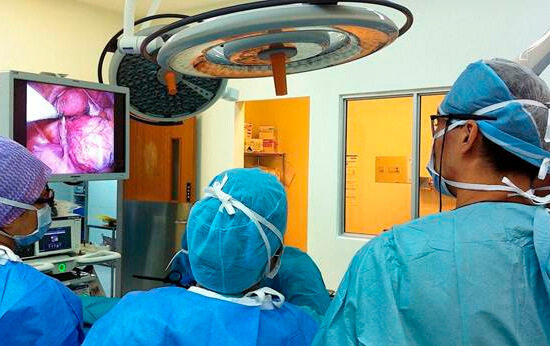
Dr Anthony Siow has more than 20 years of experience in obstetrics and gynaecology. He previously served as Director of Minimally Invasive Surgery at a public hospital in Singapore and helped develop programmes for managing complex gynaecological conditions, including fibroids, ovarian cysts and endometriosis.
He was also the first gynaecologist in Singapore to perform single-incision laparoscopy for procedures such as hysterectomy and myomectomy, providing an additional minimally invasive option for women who require fibroid surgery. Dr Siow focuses on careful evaluation and evidence-based treatment to help women manage gynaecological conditions safely and effectively.